
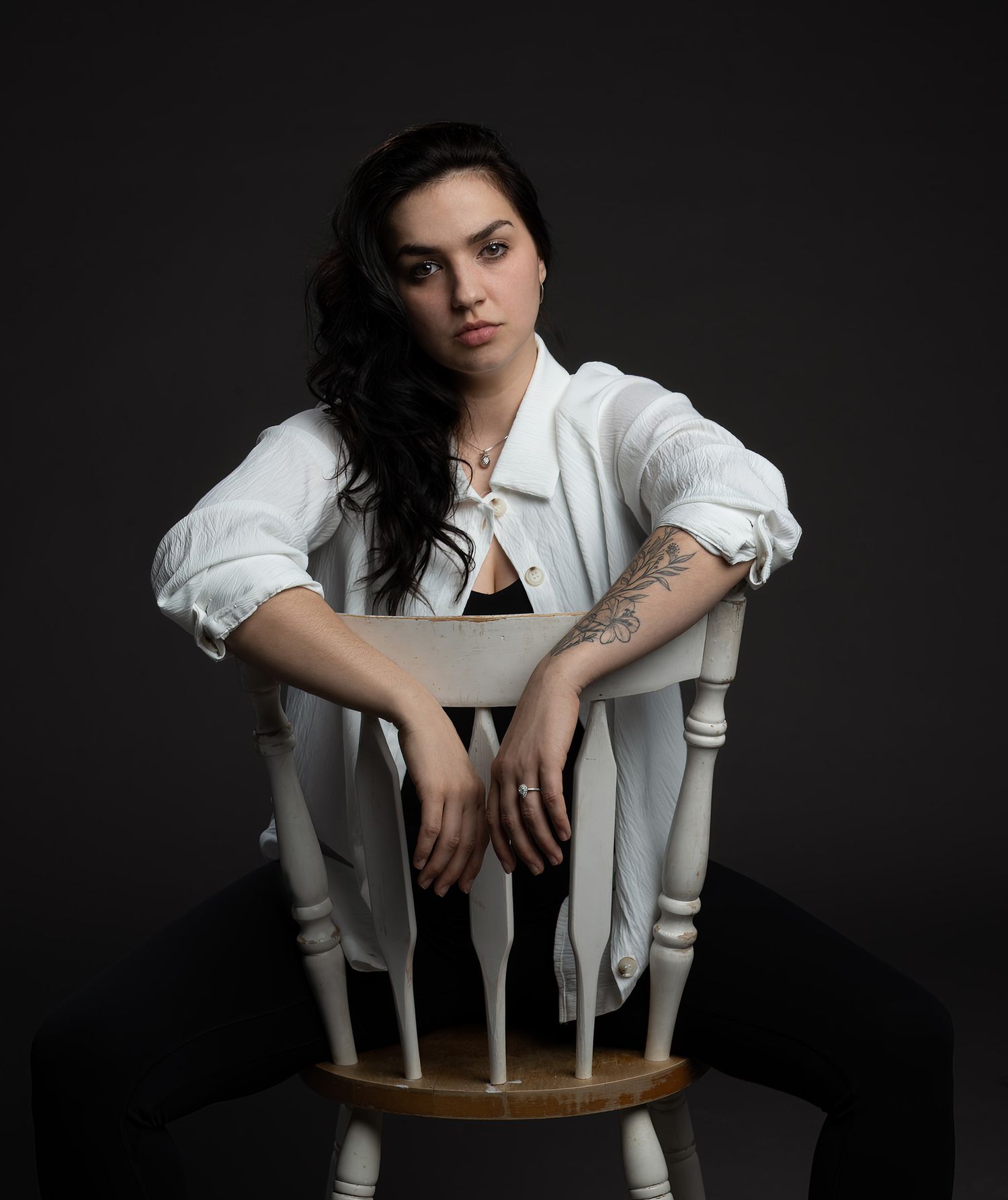
You Don't Have to Know How to Pose
that's our job
WHAT DO I DO WITH MY HANDS?!
I think most people stand in front of a camera awkwardly thinking, “What do I do? Wait… I have hands?! What do I do with them? Where do they go?! I wasn't ready for a test… you should have warned me!”
And honestly, I get it.
Unless you're a professional model, you probably don't spend much time thinking about how to stand in front of a camera. Most of us are used to having our picture taken when someone pulls out a phone and says, “Smile!” So when you're suddenly standing in front of a professional photographer with a big camera and some pretty interesting lights surrounding you, it's pretty easy to feel like you've forgotten how being a human works.
But here's the thing: You don't have to know how to pose. That's the photographer's job.
Being uncomfortable in front of a camera doesn't mean you're unphotogenic. It just means you're human.
Your Photographer Will Direct You
A professional photographer isn't going to stand there, look you dead in the eyes and say, “Okay… pose.”
Well, at least I hope not.
A photographer's job is to direct you, not turn you into a professional model. And I'm not talking about directing you like Steven Spielberg is directing a movie. I'm talking about small, simple instructions that are easy to understand and even easier to follow.
Things like:
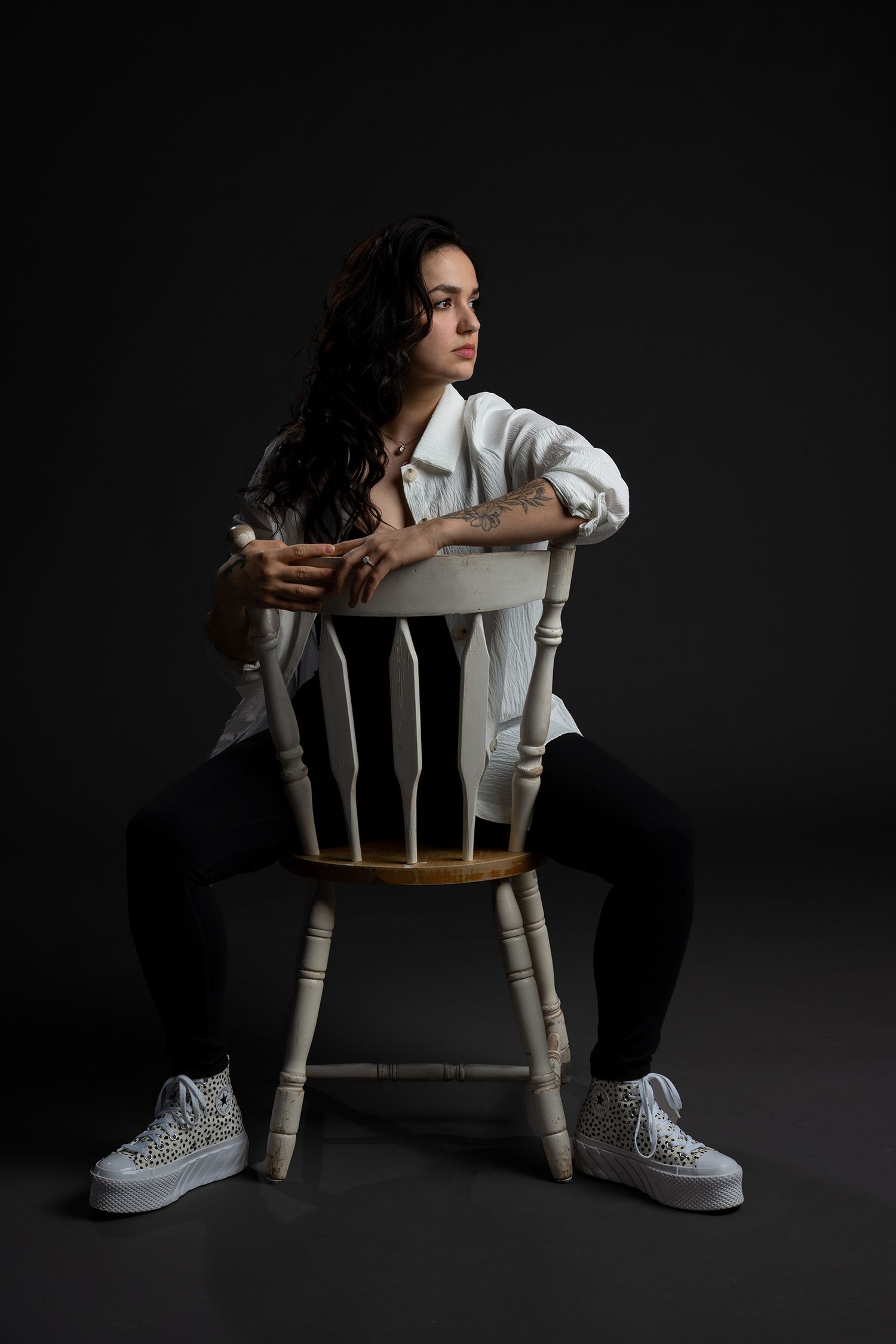
“Turn your shoulders this way.”
“Bring your hips slightly the other way.”
“Put your weight on your back foot.”
“Tilt your chin just a little.”
That's it.
You don't need to memorize a bunch of poses or suddenly become an expert at knowing what to do with your hands. Your photographer will guide you through it, make adjustments as you go, and tell you what they need from you.
Sometimes Looking Awkward Makes You Look Great
The idea is to make you look great. Granted, sometimes you might feel a little weird doing it.
Posing people for a photograph is an art, and some of the things a photographer asks you to do probably won't feel particularly natural. Most people don't walk around with their neck extended and their head pushed slightly forward. But that simple little adjustment can make you look ten times better in a photograph.
So why does something that feels so unnatural actually look better?
Because a camera doesn't see you the way you see yourself in a mirror. Small changes in your posture, the position of your head, the angle of your shoulders or where you put your weight can completely change how you look in a photograph.
Extending your neck and pushing your head slightly forward, for example, can help define your jawline and separate your face from your neck. Turning your body slightly can create more shape and dimension than standing straight on to the camera. Even something as simple as shifting your weight onto one foot can make your posture look more relaxed and natural.
None of these things are particularly complicated. They're just small adjustments that make a big difference once you're on the other side of the lens.
You might feel awkward. But you'll look great. And that's the part that matters.
You might not always know why the photographer is asking you to move a certain way, but trust their direction. There is usually a reason behind it.
That said, always feel free to ask why. There is absolutely nothing wrong with asking a photographer, “Why do you want me to do that?” A good photographer should be happy to explain what they're trying to achieve. It never hurts to ask.
It's About More Than Posing
Directing someone during a portrait session is about much more than posing.
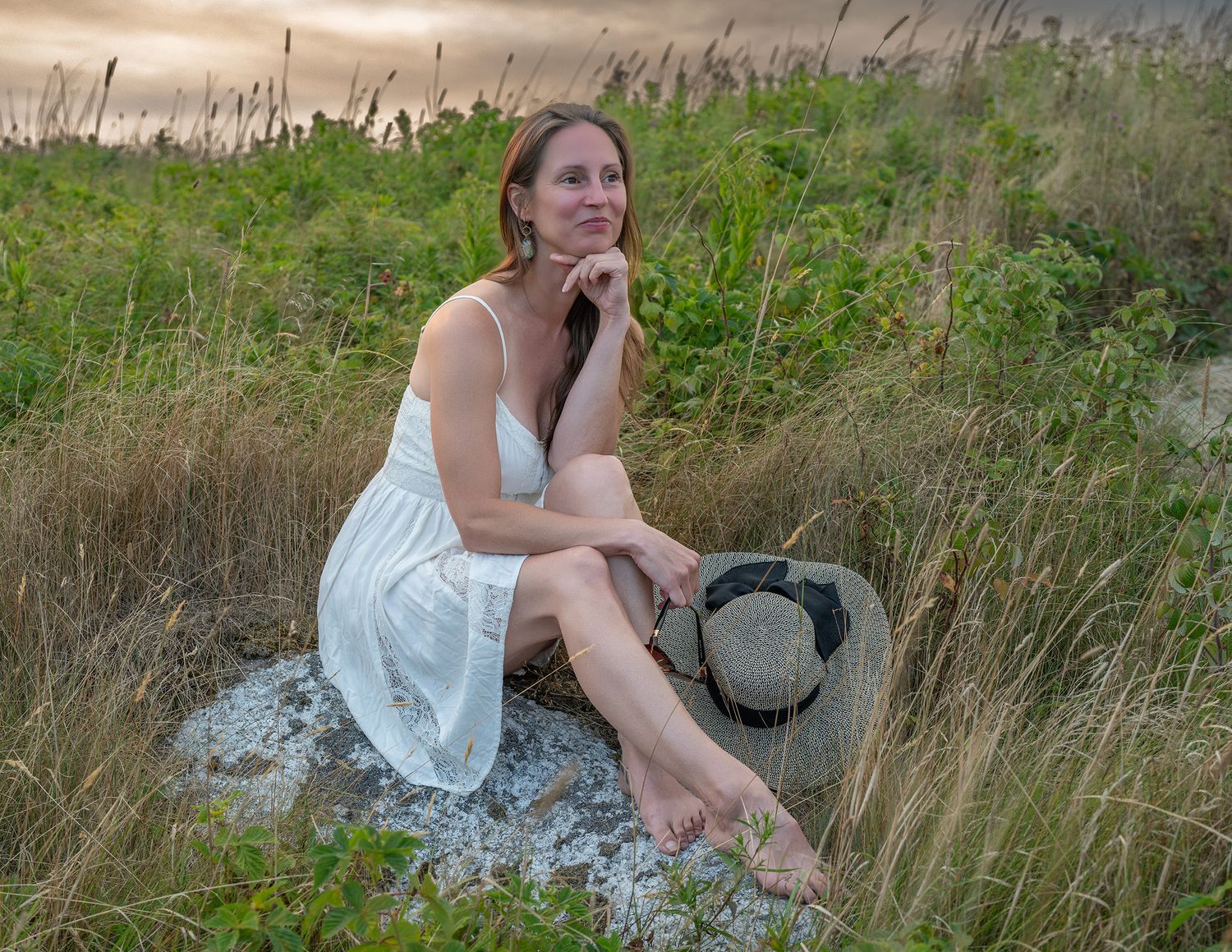
A good photographer isn't just looking for the perfect position for your shoulders, hands or feet. They're also looking for ways to get you to move, engage and relax.
Sometimes that means changing your position. Sometimes it means walking, turning, looking away from the camera and then back again. Sometimes it means having a conversation, telling a joke or simply giving you something to do so you're not standing there thinking about the camera. The goal is to get you out of your own head.
Because the more comfortable you become in front of the camera, the more natural your expressions and body language become. And when you're relaxed, the photographer has a much better chance of capturing something that actually looks and feels like you.
That's really what good direction is about. It's not just making sure your feet are in the right place. It's helping you forget, even for a moment, that there's a camera pointed at you.
It's About Finding the Real You
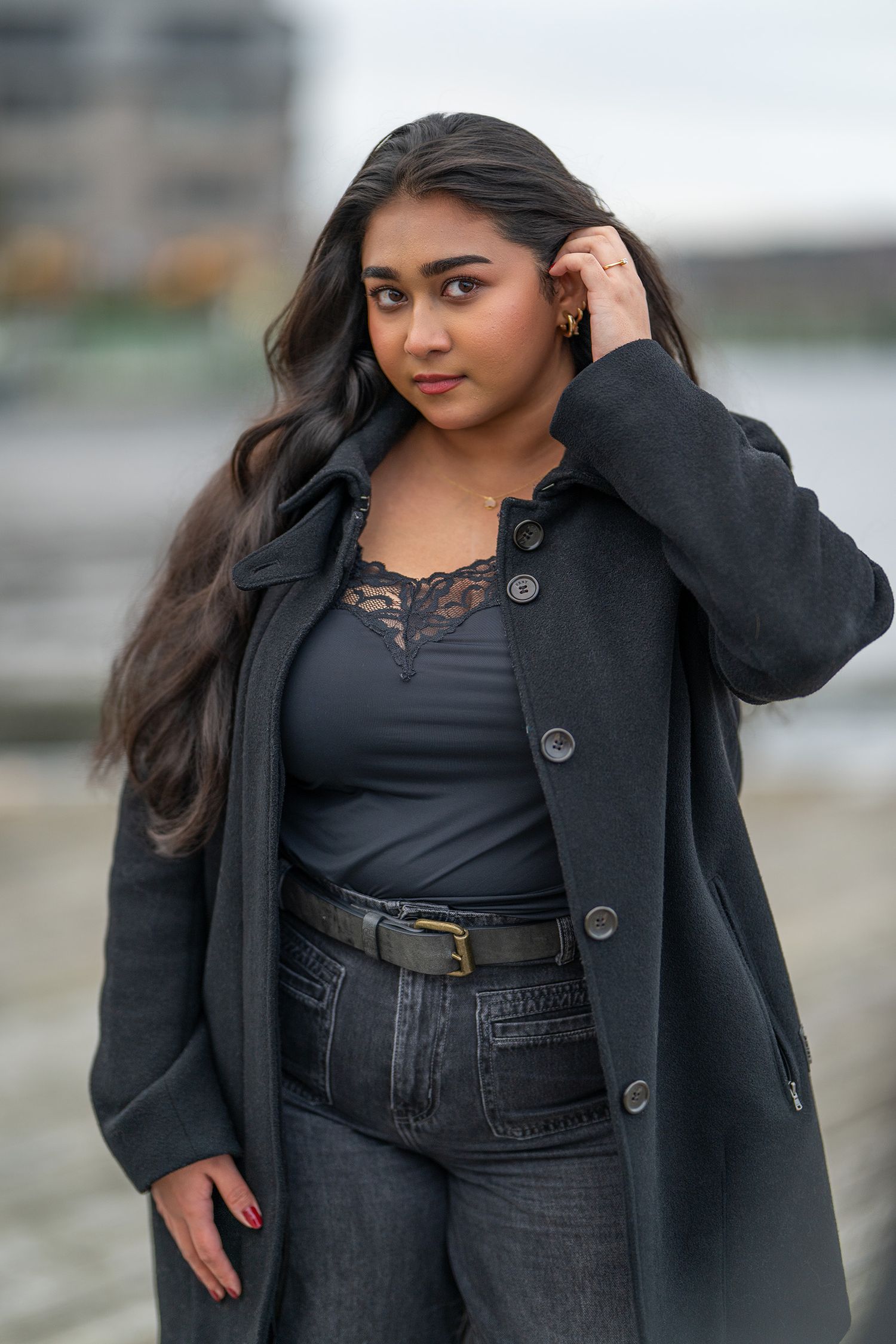
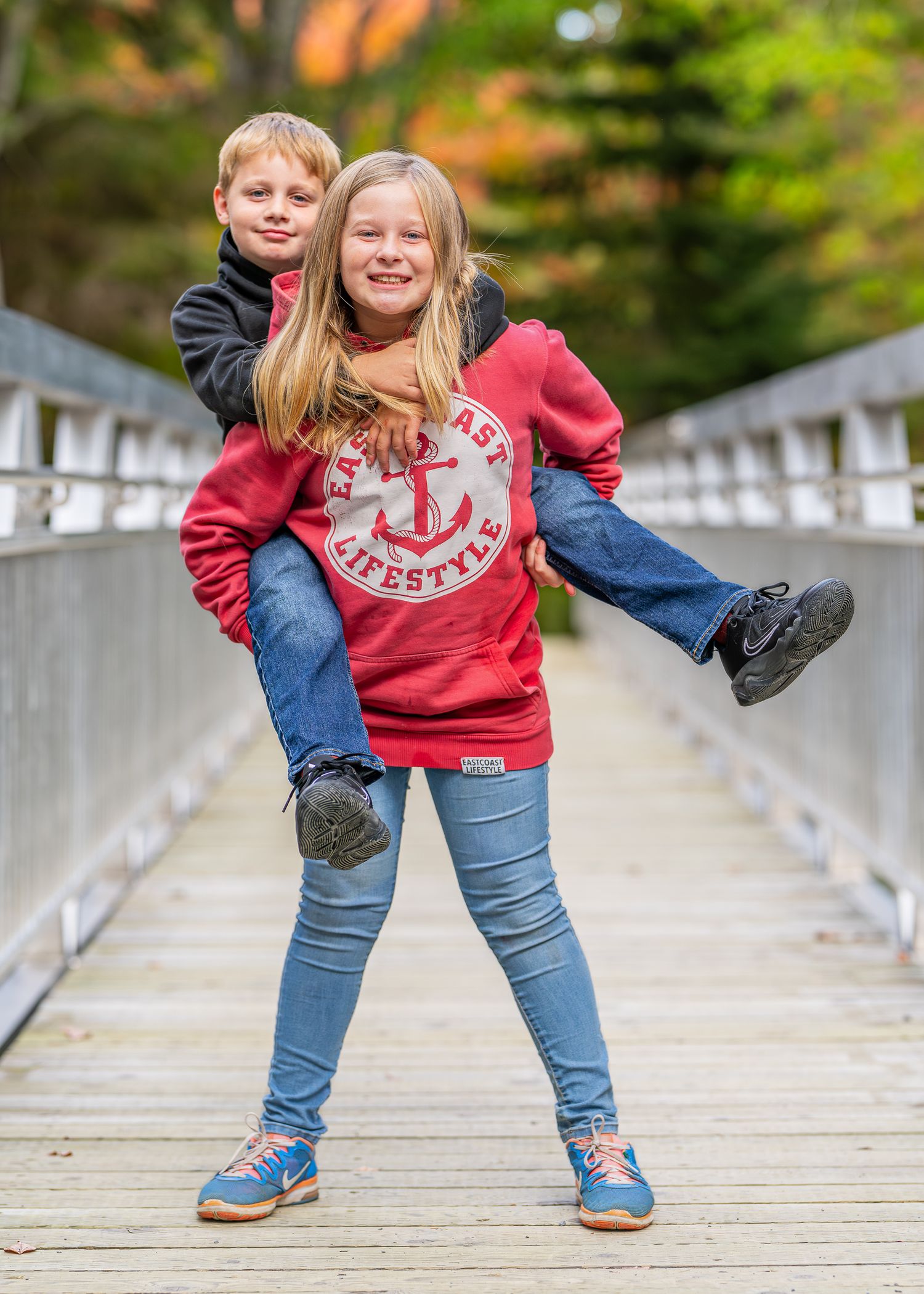
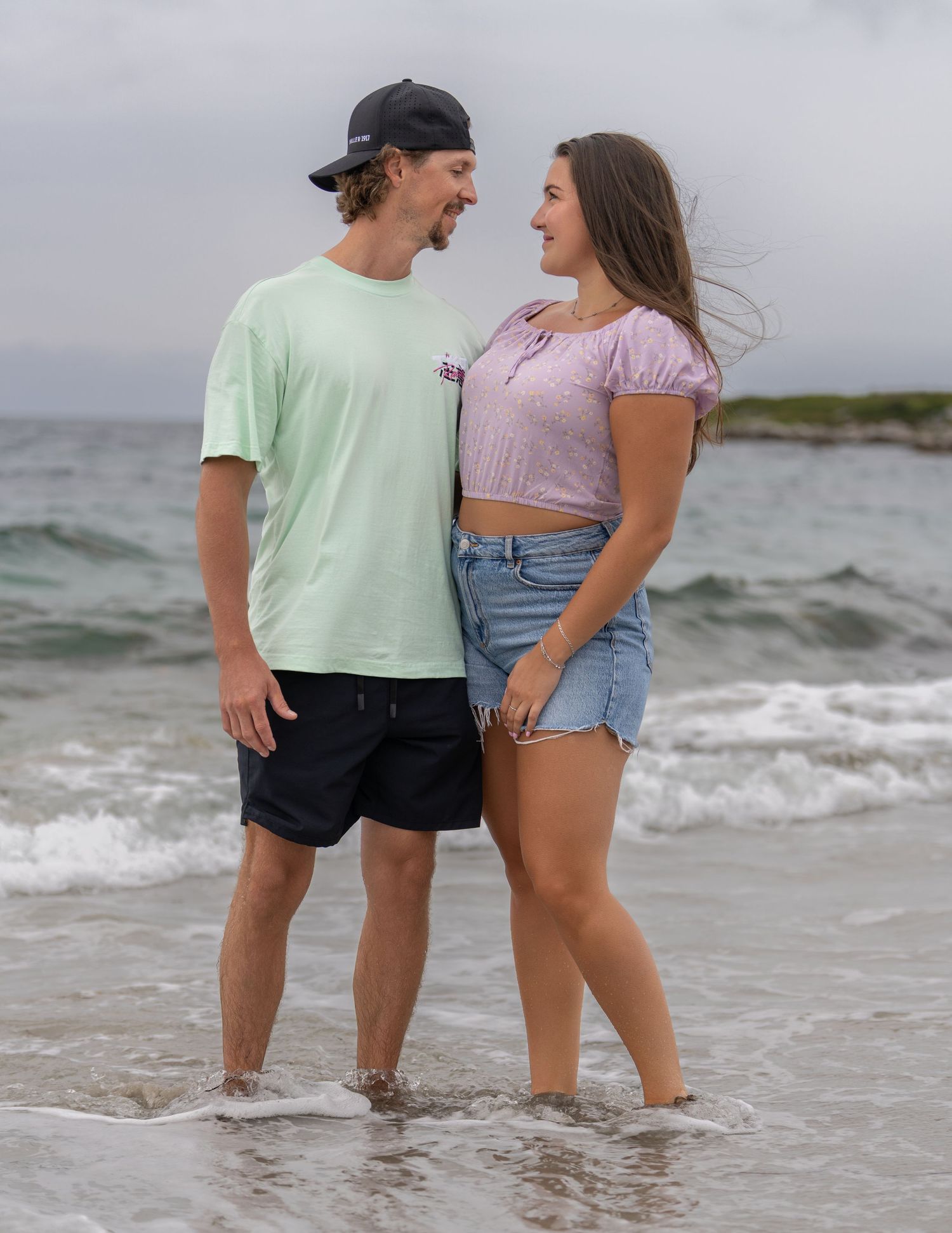
This isn't about turning you into the next supermodel, nor is it about putting you on the cover of Vogue. Although, if that happens, congratulations! It's about finding the real you.
Every person is different in just about every conceivable way, which means there isn't one perfect pose that works for everyone. Finding the right pose, expression and body language for the person in front of the camera is a big part of creating a successful portrait.
A pose that works for a 26-year-old woman isn't necessarily going to work for a 45-year-old man. A fashion model and a corporate executive are probably going to have very different ideas about what looks and feels right in front of a camera. And honestly, we hope they do.
That's one of the reasons your photographer will spend some time talking to you before and during a session. Yes, some of it is just small talk. And that's important too. Conversation helps you relax and takes some of the pressure off. But your photographer is also trying to get to know you.
What makes you laugh? How do you naturally stand? Are you energetic or reserved? Confident or a little more quiet? What kind of image are you hoping to create? All of those little things help the photographer understand how to direct you.
The goal isn't to make you look like someone else. It's to find the version of you that looks and feels natural, confident and authentic—and then create a photograph you'll actually want to show off.
There Is No "Right" Way to Pose*
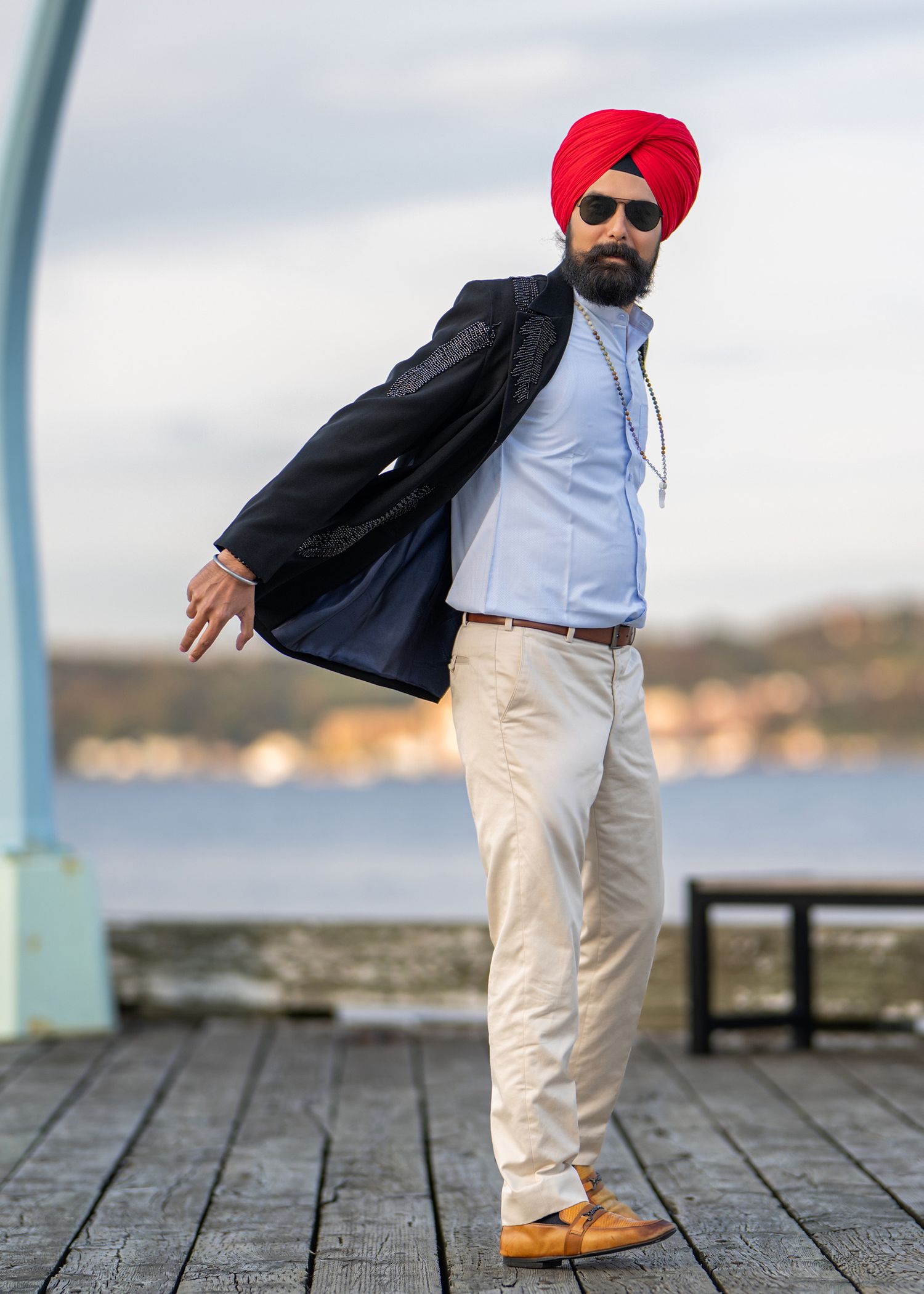
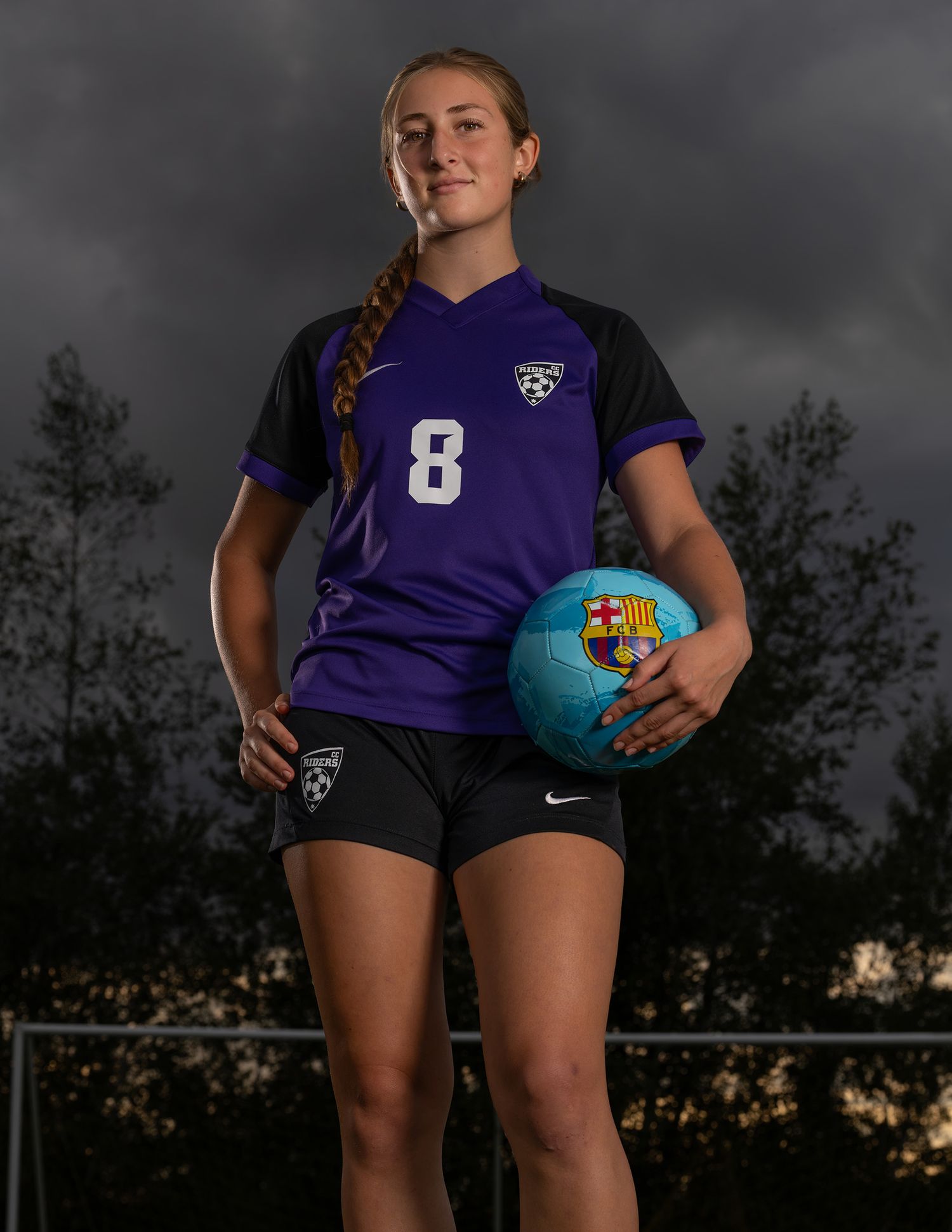
There is no right or wrong way to pose.*
Okay… that's not entirely true.
Posing depends on a lot of factors. What's the purpose of the photo shoot? Who is the photograph for? What feeling or vibe is the client trying to create? What do they want people to think when they see the image?
A real estate agent might want a headshot that makes them look approachable, friendly and trustworthy. A hardened defence lawyer might want to come across as a tough, no-nonsense courtroom fighter.
Those two people may both need professional headshots, but the photographs shouldn't necessarily feel the same. That's why there isn't a single pose that works for everyone. The pose needs to fit the person, the purpose and the personality. But yes, there are definitely some things that probably aren't going to help.
Having your chin pressed against your chest isn't exactly going to give you a flattering neck. Standing completely square to the camera with your arms tightly pressed against your body probably isn't going to win any awards either. And that's where your photographer comes in.
They understand how small changes in posture, angles, lighting and positioning can change the way an image feels. Their job isn't to force you into a pose because it's the correct pose. It's to find the pose that works for you and the photograph you're trying to create.
"Okay, Let's Try Something Different."
You might find that your photographer asks you to change poses. Sometimes often.
That isn't a bad thing. It's just a thing.
So why are they doing it? Sometimes, as a photographer is directing you, they might see something for a fraction of a second that looks really good. Maybe it's the way you moved your head, the way you smiled, the way your shoulders fell into a certain position, or simply a moment where everything came together.
So they ask you to go back and try it again. Other times, the photographer has an idea in their head of what they think will look great, only to see the photograph on the back of the camera and realize...Not quite. And that's okay too.
Maybe you'll do something the photographer wasn't expecting and it turns out to be fantastic. Maybe a small movement creates a completely different feeling than either of you anticipated. As your photographer works with you, something else starts to happen. They start to see you.
They begin to understand your personality, how you naturally move, what expressions feel authentic to you and what makes you comfortable. And they'll start using that more and more. Just because a photographer thinks something will look good doesn't necessarily mean it does. And that doesn't mean you look bad. It means the photographer has decided that a particular pose isn't working for you.
That's an important distinction.
The goal isn't to force you into a pose because it looked great on someone else. The goal is to create a feeling, a style and an image that works for you. So when your photographer poses you, takes the photograph, stares at the back of the camera for a second and then says:
“Awesome. Okay, let's try something different.”
Don't panic. They're not saying you did something wrong.
They're saying: “We haven't found you yet.”
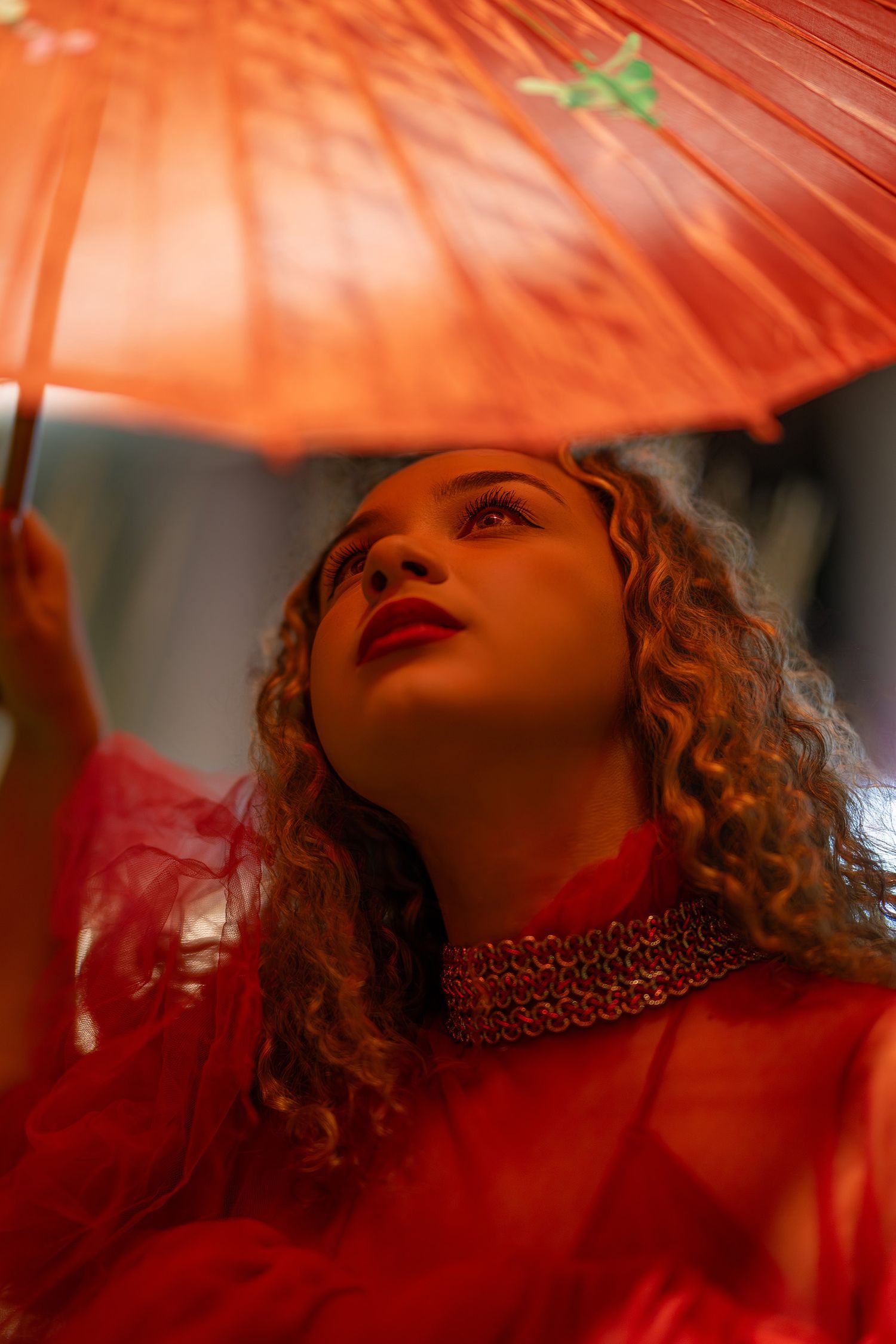
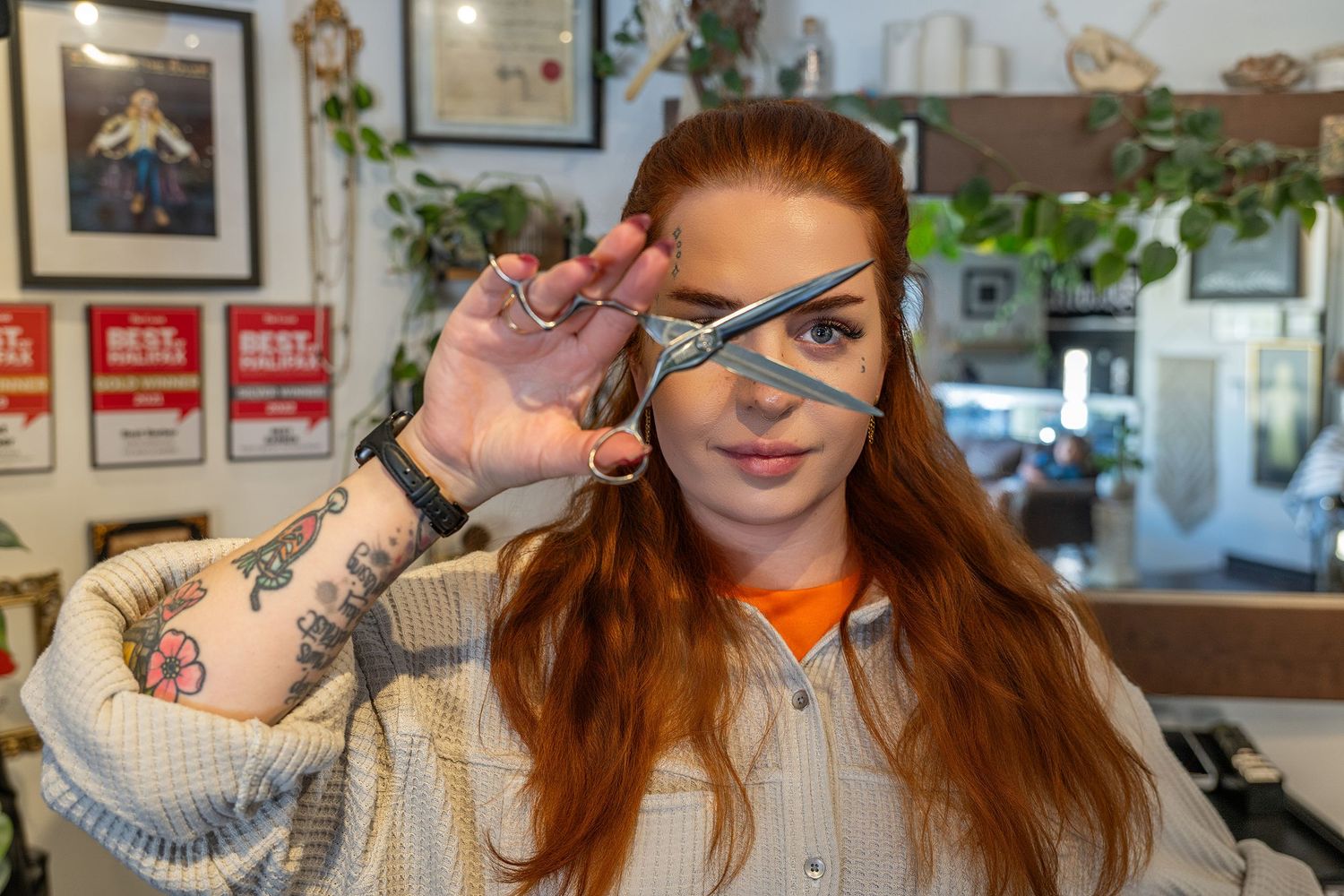
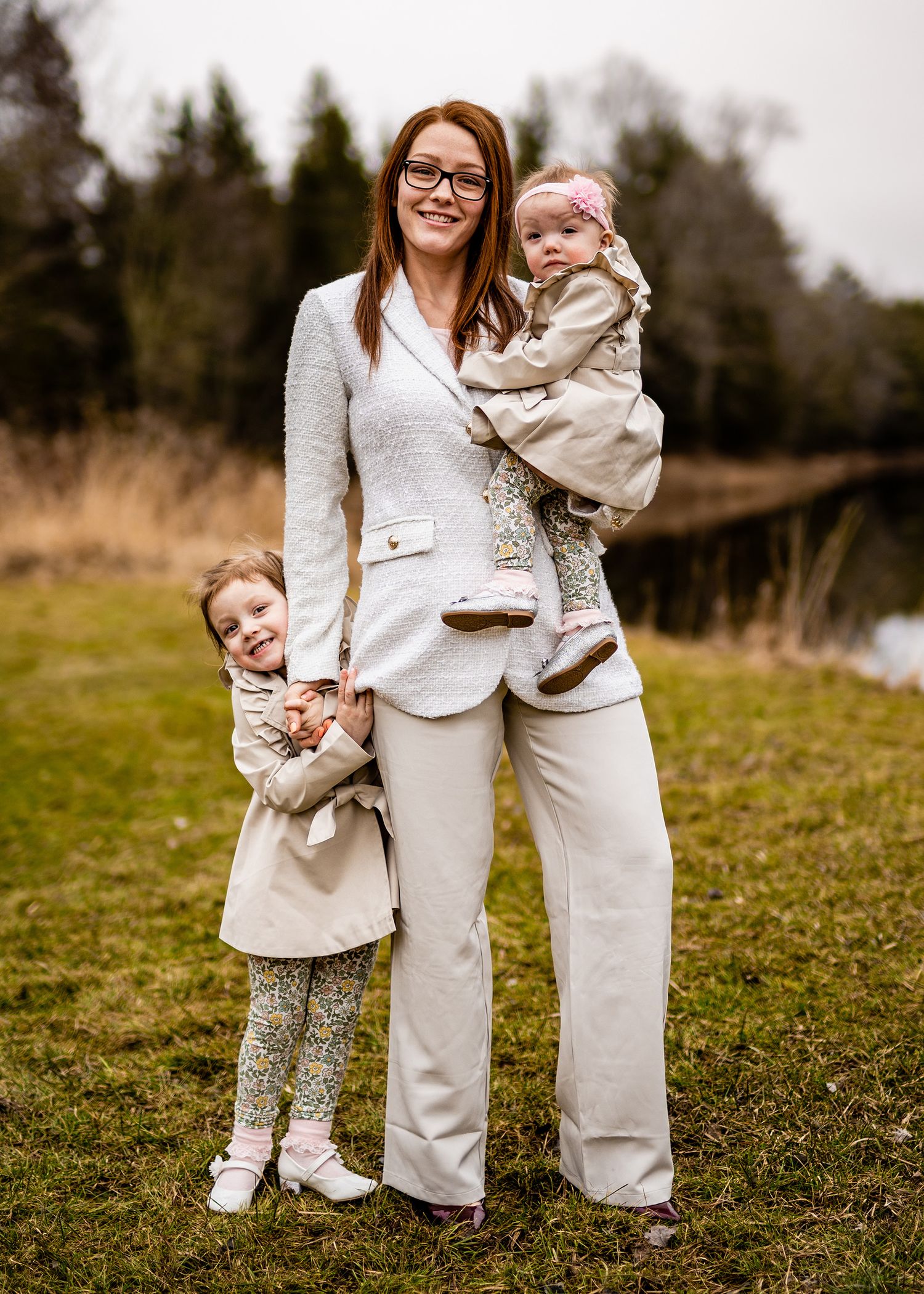
So, What Do You Need to Do?
Honestly?
Show up.
Okay, there are a few things that will help.
Get a good night's sleep. Stay hydrated. Wear clothes that fit the type of images you're looking to create, but more importantly, wear something that makes you feel confident. If you're having your hair or makeup done, have everything ready to go before you arrive.
And then?
Be willing to have a little fun.
Laugh. Move around. Try something different. Be the centre of attention for a little while. You're allowed to enjoy yourself. Your photographer will handle the rest.
And yes, there will probably be moments when you hear:
“Uh… let's try that again.”
That's okay.
There might be poses that don't work. There might be expressions that feel weird. There might be an idea that sounded great in your photographer's head but doesn't quite work when they see it on the back of the camera. That's all part of the process.
The goal isn't to get every photograph right on the first try. The goal is for you and your photographer to work together, experiment, make adjustments and eventually create the images you came for.
You Don't Have to Know How to Pose
At the end of the day, having your photograph taken isn't a test. You don't have to know where to put your hands. You don't have to know which foot should be forward. You don't have to know how to make yourself look natural in front of a camera.
That's what your photographer is there for. Your job is to show up, be willing to try something new and, most importantly, be yourself.
There may be moments when a pose feels strange. There may be times when you hear, “Let's try that again.” There may even be a few moments when you wonder what on earth your photographer is asking you to do.
Trust them. Ask questions. Have some fun.
Because the best photographs aren't necessarily the ones where you knew exactly what you were doing. They're the ones where you eventually stopped thinking about the camera and started being yourself.
You don't have to know how to pose.
You just have to show up. We'll take it from there.